Does Earth have phases like the Moon does?
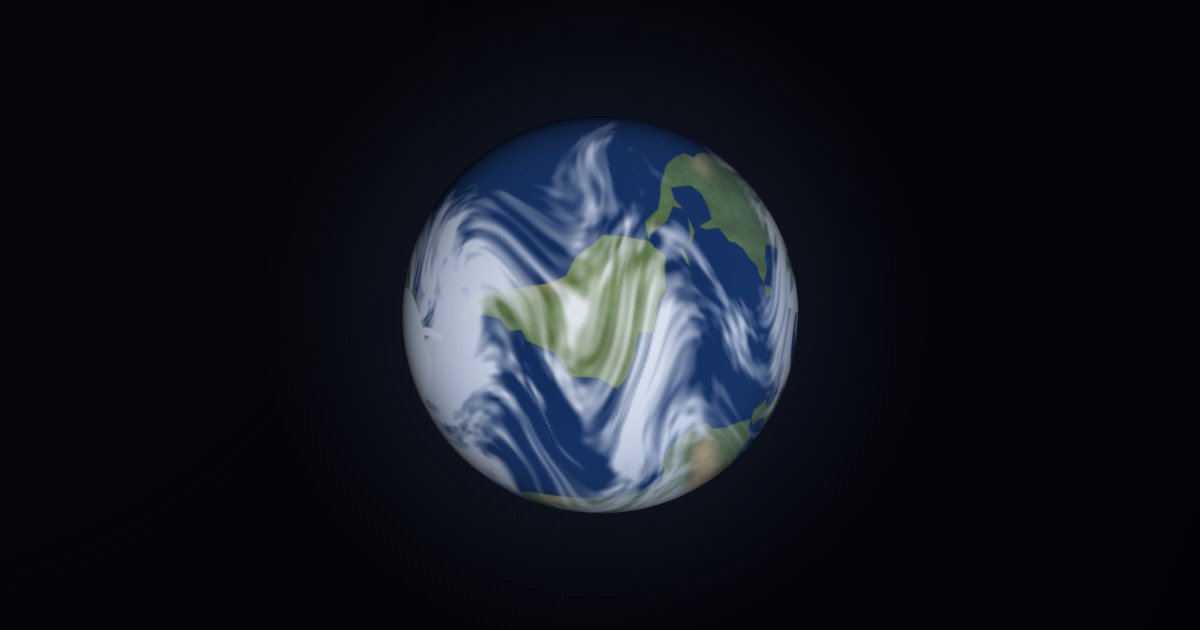
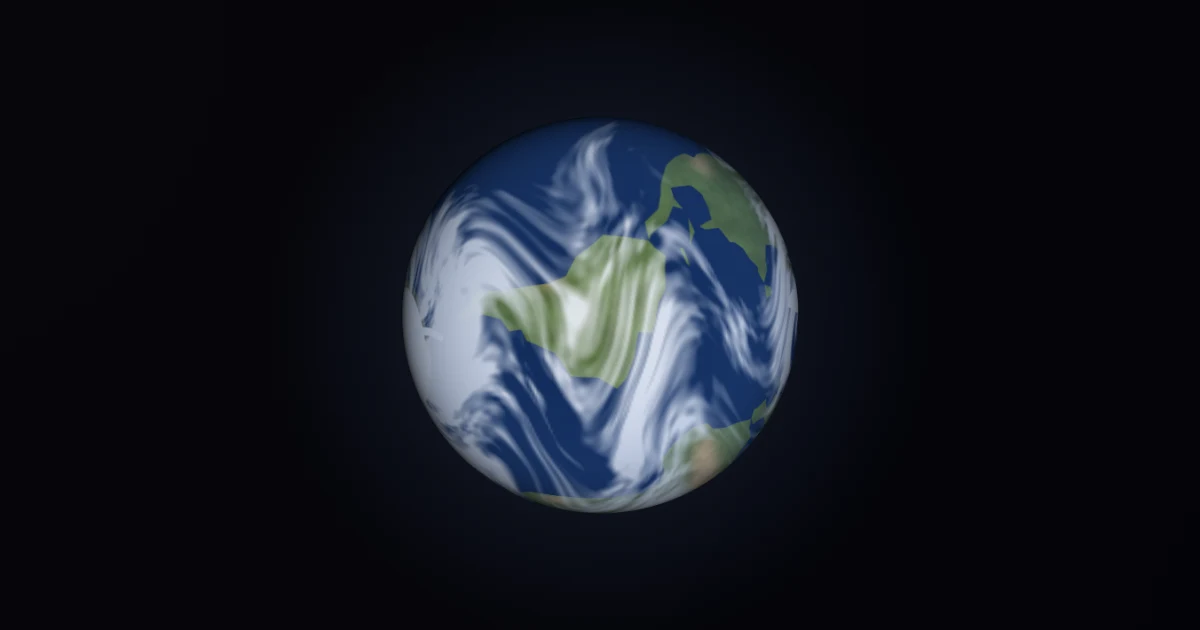
It does — full, new and everything between, on the same monthly cycle as our Moon but exactly inverted. Computed: a real full Earth and the new Earth that follows.
 Open this exact moment — and move the clock yourself
Live Rendered here and now by the Lunar Aspect engine, not a screenshot. Download free on the App Store
Yes — exactly like the Moon’s, on the same cycle, and precisely inverted. When we see a new Moon, an observer on the near side sees a full Earth. When we see a full Moon, they are looking at a new Earth, an almost invisible dark disc.
The engine gives a full Earth 99.89% illuminated, and the new Earth that follows it 15.524471701388888 days later down to 0.16%. The complete cycle, full to full, takes 29.648072905092594 days.
Why they are opposite
Phase is only a question of where the Sun is relative to the line between the two bodies. There is one Sun and one line, so the two views are forced to be complementary: whatever fraction of Earth is lit for them, the reverse is lit of the Moon for us. At this instant the phase angle — Sun, Earth, observer — is 3.85°.
The clock says the same thing from the other direction. Local solar time at full Earth is 01:13 of twenty-four: the middle of the lunar night. Full Earth and lunar midnight are the same event described twice.
And it is bright
A full Earth is a far better light than a full Moon. It is about four times wider and its clouds and oceans reflect much more of what hits them, so the lunar night under a full Earth is not really dark at all — you could read by it. The dark part of a crescent Moon that you can faintly see from a back garden is lit by exactly this: sunlight off Earth, landing on the Moon, coming back again.
How these numbers were produced
Every figure on this page came out of the ephemeris that runs inside Lunar Aspect, computed for Tranquility Base at 2026-10-10 15:30 UTC. Nothing here was typed in by hand: the page is generated, and a number that the engine stops producing breaks the build rather than going quietly stale.
| Value | Produced by |
|---|---|
| 99.89% | compute().earth.illum at full |
| 0.16% | compute().earth.illum at new |
| 15.524471701388888 | nextEvent("newearth") − nextEvent("fullearth") |
| 29.648072905092594 | full Earth to the next full Earth |
| 3.85° | compute().earth.phaseAngle |
| 01:13 | compute().localTime at full Earth |
Engine build 84048b2 2026-09-20 ·
page generated 2026-09-19 ·
positions are apparent, referred to the observing site rather than to the
Moon’s centre.
Move the date yourself
This page is one frozen moment. The engine that computed it runs on a phone, at any date, from anywhere on the Moon — the eclipses, the planets, the comets and Earth’s phase, all of it computed rather than canned.