Why did Apollo 8 see an Earthrise if Earth never rises?
Because they were moving. Earth is fixed in the sky from the lunar surface — the most famous photograph of the twentieth century only exists because the camera was in orbit. Computed for 24 December 1968.
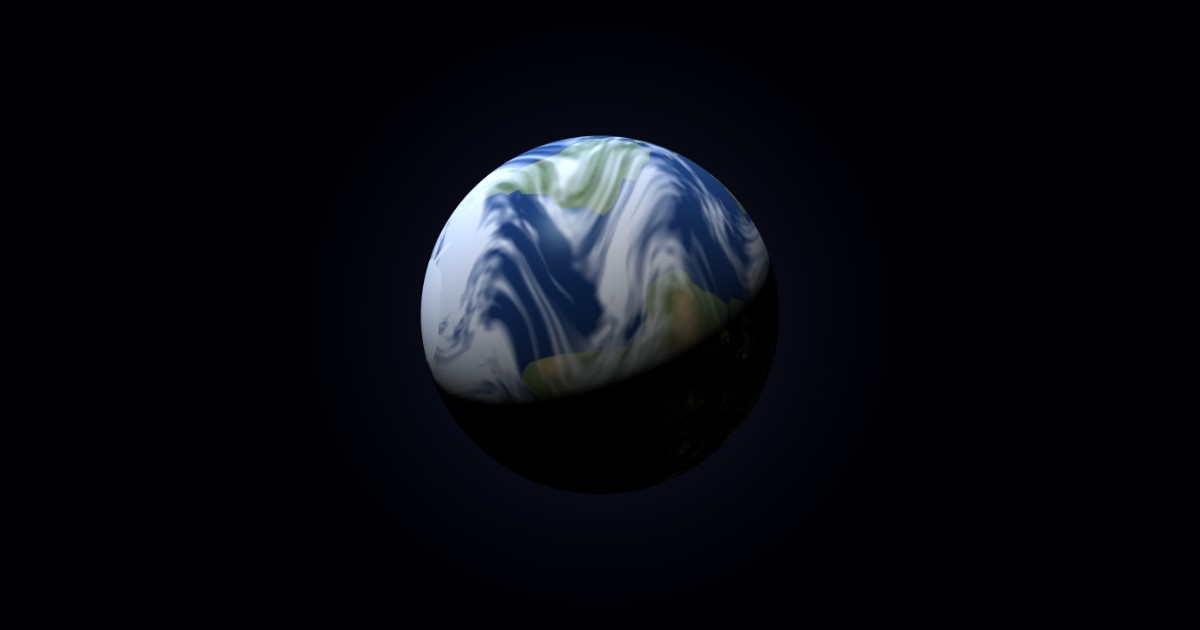 Open this exact moment — and move the clock yourself
Live Rendered here and now by the Lunar Aspect engine, not a screenshot. Download free on the App Store
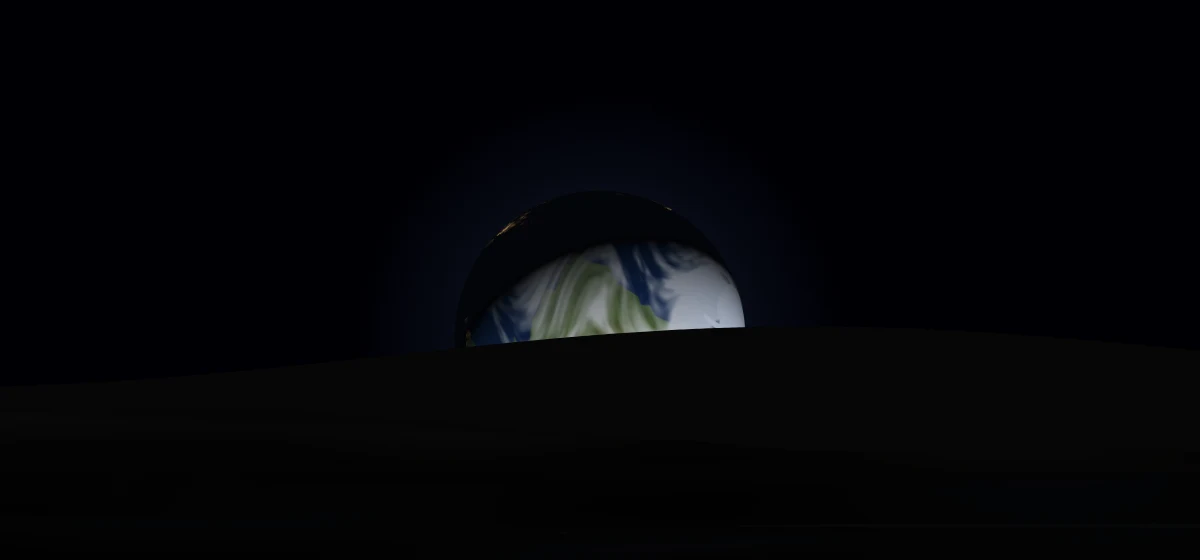
Because Apollo 8 was in orbit, and orbiting is the one way to make Earth move. From anywhere on the lunar surface Earth is fixed; the crew were travelling around the Moon at a mile a second, and the horizon slid down past a stationary Earth. It rose because they moved, not because it did.
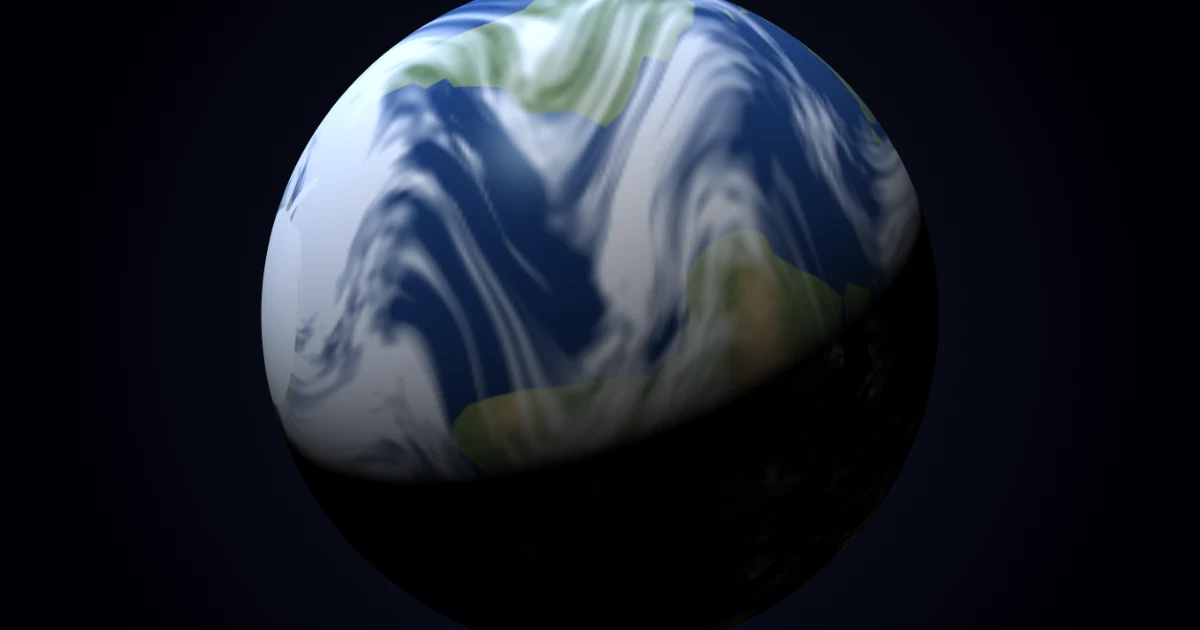
The engine puts Earth 69.59% illuminated that day, 37.5° above the horizon over Mare Crisium, spanning 1.94°.
What the surface would have shown instead
Nothing. Over a full month of hourly samples at this site, Earth’s height in the sky varies by only 15.08° in total — libration, and nothing else. Plant a camera on the ground and leave it running for a year and it records a planet changing phase in place, never once crossing the horizon.
The photograph was almost not taken
It was not on the flight plan. The crew were photographing the surface, which was the mission; Earth came round the limb during a roll and they scrambled for a colour magazine. The frame that resulted is usually named as one of the most influential photographs ever made, and it is often credited with starting the modern environmental movement — a small, weather-covered, entirely unbordered world with nothing around it.
The Sun was 26.7° above the horizon at that moment, local time 07:54 of twenty-four. It was Christmas Eve.
How these numbers were produced
Every figure on this page came out of the ephemeris that runs inside Lunar Aspect, computed for Mare Crisium at 1968-12-24 16:40 UTC. Nothing here was typed in by hand: the page is generated, and a number that the engine stops producing breaks the build rather than going quietly stale.
| Value | Produced by |
|---|---|
| 69.59% | compute().earth.illum |
| 37.5° above the horizon | compute().earth.alt |
| 1.94° | compute().earth.angRad × 2 |
| 26.7° above the horizon | compute().sun.alt |
| 15.08° | earth.alt over 30 days, max − min |
| 07:54 | compute().localTime |
| 13 December 2026 | nextEvent("earthrise") at Mare Orientale, bisected to half risen |
| 80.57% | compute().earth.illum at that instant |
Engine build 596b875 2026-09-23 ·
page generated 2026-09-23 ·
positions are apparent, referred to the observing site rather than to the
Moon’s centre.
Move the date yourself
This page is one frozen moment. The engine that computed it runs on a phone, at any date, from anywhere on the Moon — the eclipses, the planets, the comets and Earth’s phase, all of it computed rather than canned.