What did the sky look like from the Apollo 11 landing site?
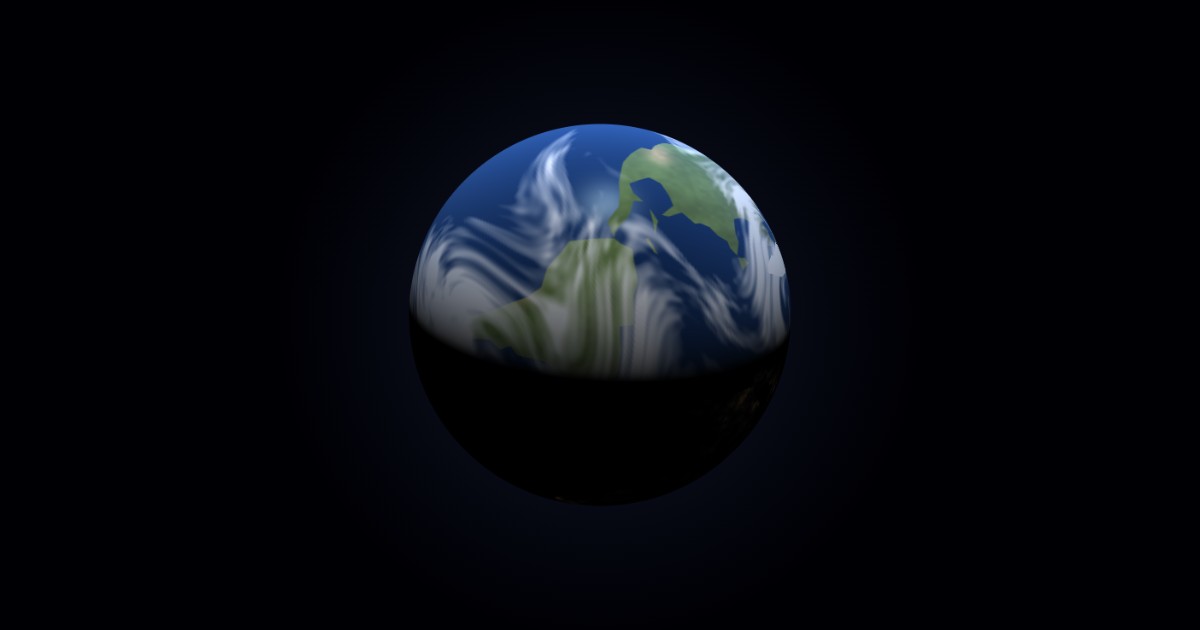
Computed for 20 July 1969, 20:17 UTC, at Tranquility Base: where Earth stood, what phase it showed, and how low the Sun was — the geometry behind every photograph taken that day.
 Open this exact moment — and move the clock yourself
Live Rendered here and now by the Lunar Aspect engine, not a screenshot. Download free on the App Store
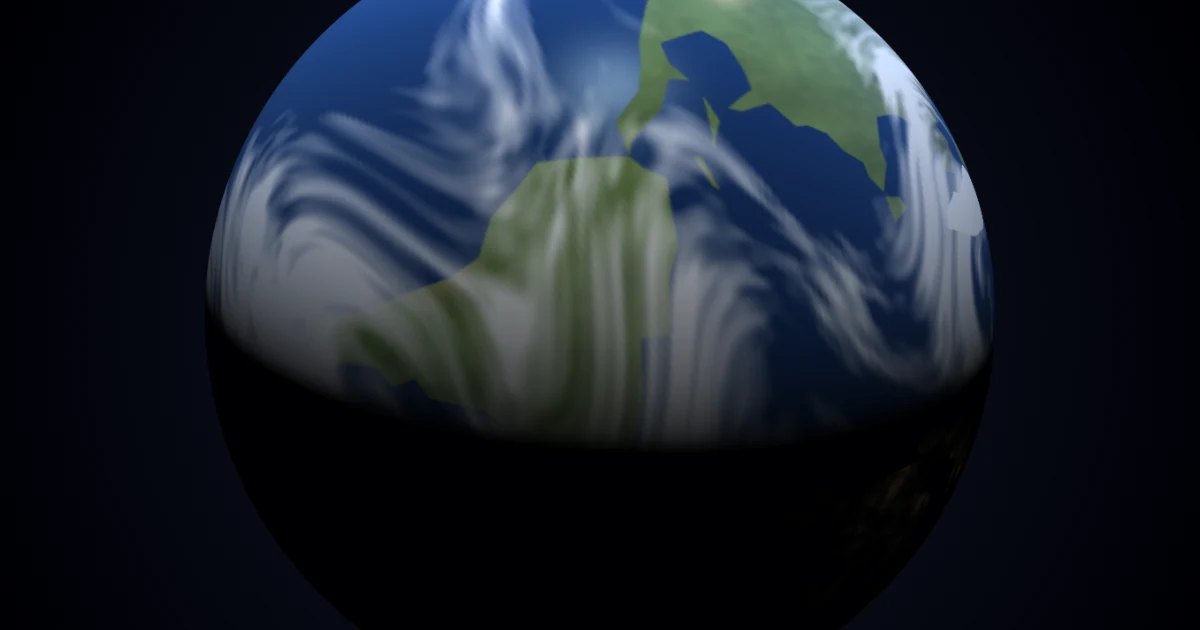
A fat gibbous Earth, two thirds lit, hanging 59.2° above the horizon in the west and not moving — above a landscape lit almost sideways by a Sun barely clear of the horizon.
The engine puts Earth 67.23% illuminated at that instant, on a bearing of 272° (west), spanning 1.88°.
The low Sun was the entire point
The Sun stood 10.7° above the horizon — local morning, 06:43 of a lunar twenty-four. That was chosen, not luck. A high Sun flattens the lunar surface into a featureless glare with no shadows to read, and the crew had to judge the ground they were landing on by eye. A low Sun rakes across it and throws every boulder and every crater rim into a long shadow. They landed at lunar dawn so they could see the terrain at all.
It also bought them time. Sunset at that spot was still 13.9 days away, so there was no prospect of darkness arriving during a stay measured in hours.
Earth did not rise, and did not set
It stayed where it was for the whole visit, and would have stayed there for a year. The Moon keeps one face toward Earth, so from the middle of the near side Earth is fixed in the sky — it changes phase, it wobbles slightly, but it does not travel. From Tranquility Base there is no Earthrise, ever.
That is why the famous Earthrise photograph was taken from orbit, not from the ground. The one exception is the very edge of the near side, where the wobble is enough to lift Earth over the skyline once a month — you can watch one of those here.
How these numbers were produced
Every figure on this page came out of the ephemeris that runs inside Lunar Aspect, computed for Tranquility Base at 1969-07-20 20:17 UTC. Nothing here was typed in by hand: the page is generated, and a number that the engine stops producing breaks the build rather than going quietly stale.
| Value | Produced by |
|---|---|
| 59.2° above the horizon | compute().earth.alt |
| 272° (west) | compute().earth.az |
| 67.23% | compute().earth.illum |
| 1.88° | compute().earth.angRad × 2 |
| 10.7° above the horizon | compute().sun.alt |
| 06:43 | compute().localTime |
| 13.9 | nextEvent("sunset") − the landing instant |
Engine build 596b875 2026-09-23 ·
page generated 2026-09-23 ·
positions are apparent, referred to the observing site rather than to the
Moon’s centre.
Move the date yourself
This page is one frozen moment. The engine that computed it runs on a phone, at any date, from anywhere on the Moon — the eclipses, the planets, the comets and Earth’s phase, all of it computed rather than canned.